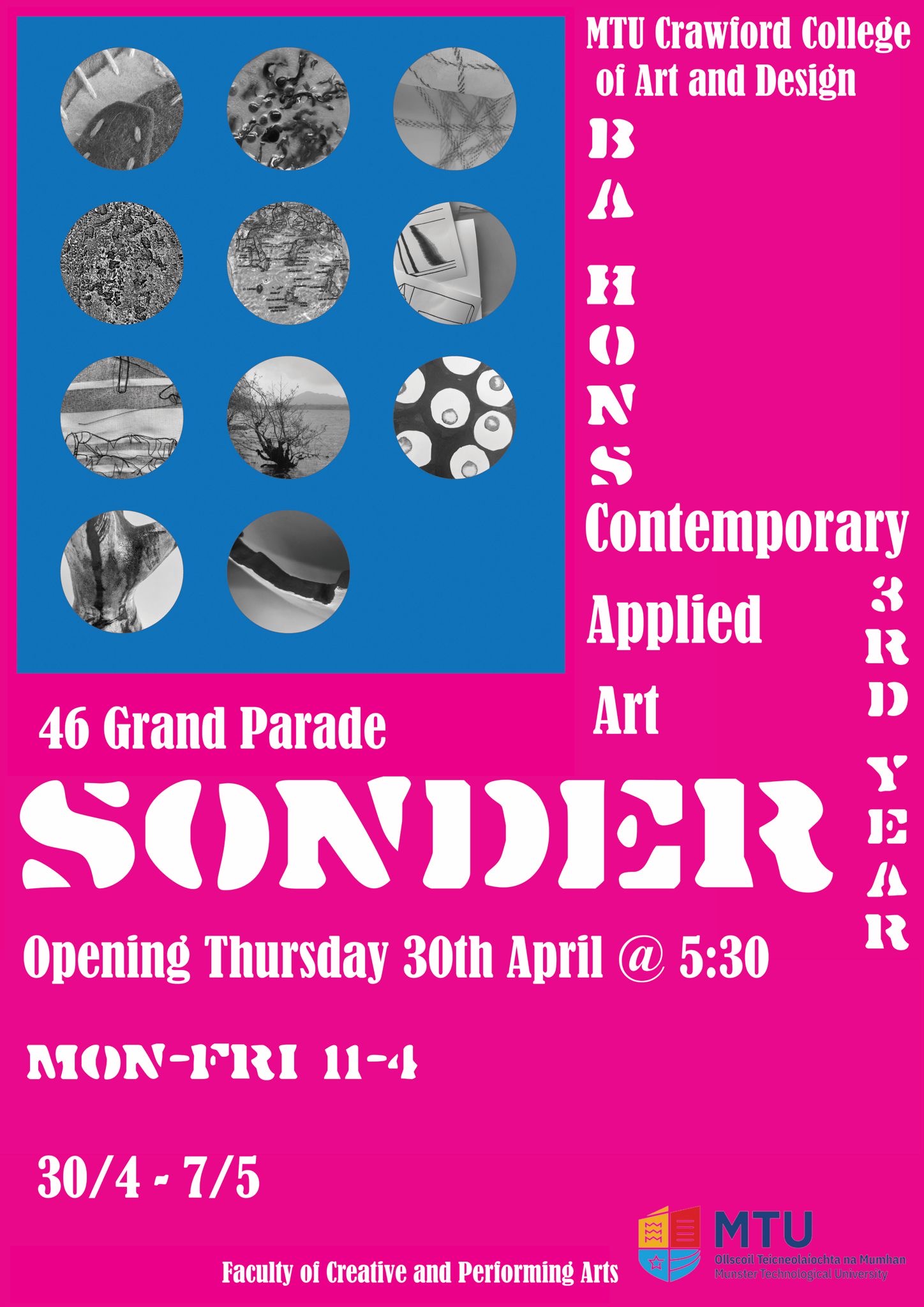
SONDER'26 is an exhibition of 3rd year students studying in Contemporary Applied Art dept, at MTU Crawford College of Art & Design. The exhibition is a lovely showcase examples of glass, textiles, and ceramics.
Title definition - The feeling one has on realising that every other individual one sees has a life as full and real as one's own, in which they are the central character and others including oneself, have secondary or insignificant roles. In a state of sonder, each of us is at once a hero, a supporting cast member and an extra in overlapping stories.
FOR UPDATED DETAILS FOLLOW ON INSTAGRAM - @SONDER_2026_
Details on Artists
1. Mark Dundon
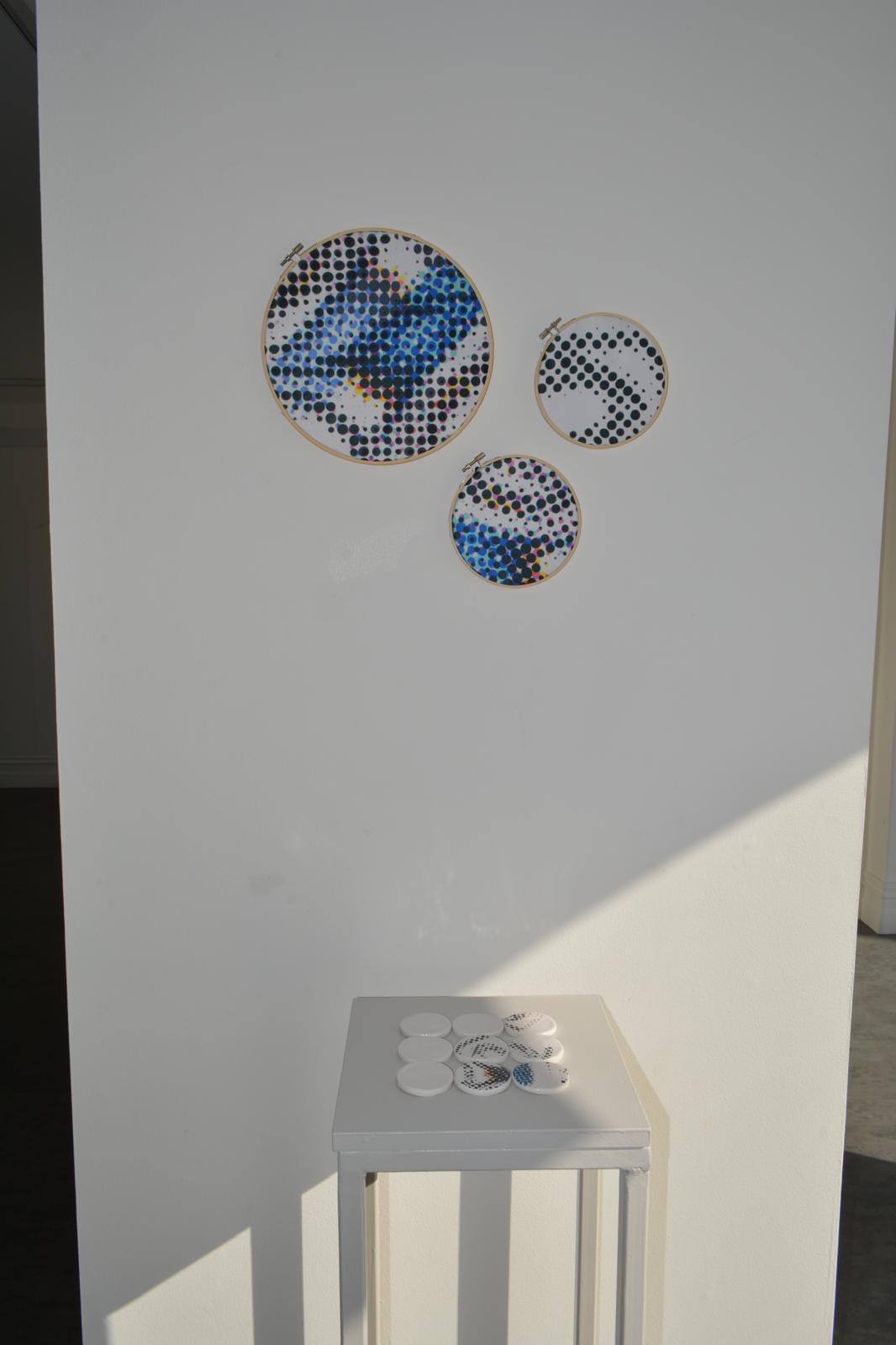
The inspiration for this body of work comes from my personal experiences of living with invisible disability, with my practice encompassing the physical, cognitive and sensory challenges. I try and visualise these experiences through a range of materials and processes
Layering is a particularly important aspect of the making, done by combining a variety of media, including print, drawing and ceramics. I like to use materials like porcelain paper clay to highlight themes of fragility and resilience for those living with invisible disabilities.
Experimentation plays a significant role in my practice and I have begun looking for new ways of printing onto my ceramics, trying out processes like etching and embossing while I have also explored using more contemporary ways with use of photoshop and adobe illustrator for designing ceramic decals.
2. Sophie Healy
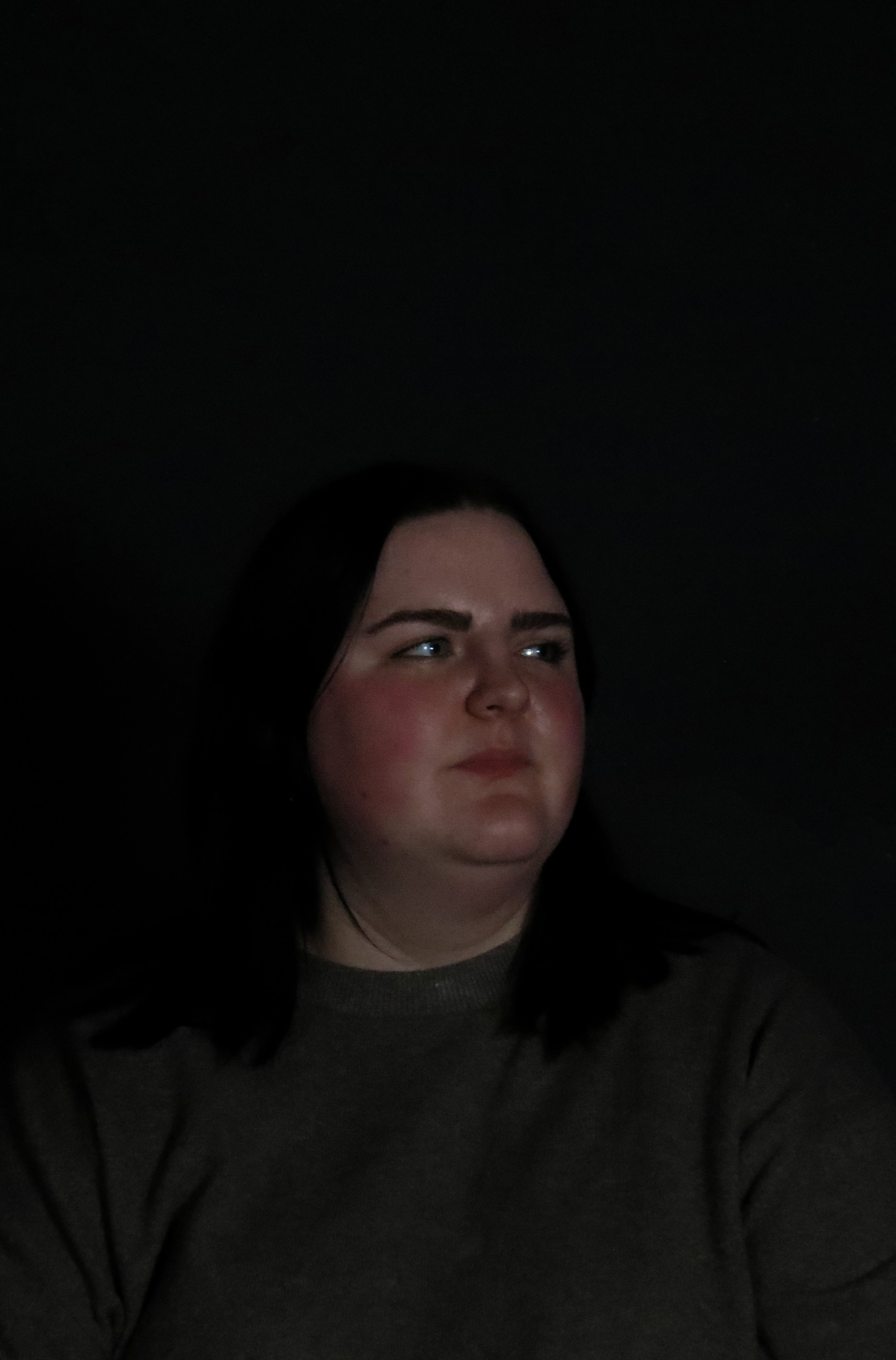
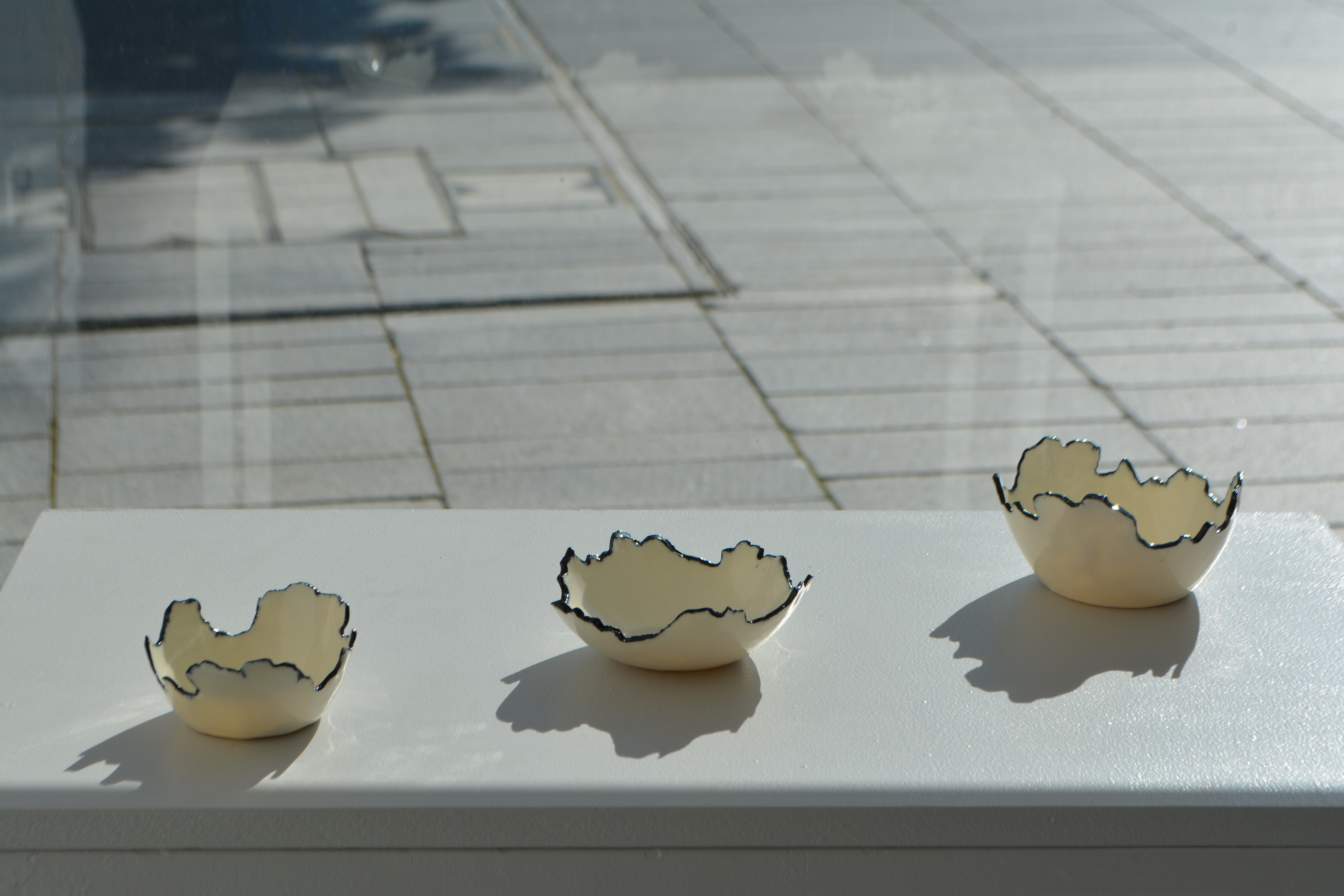
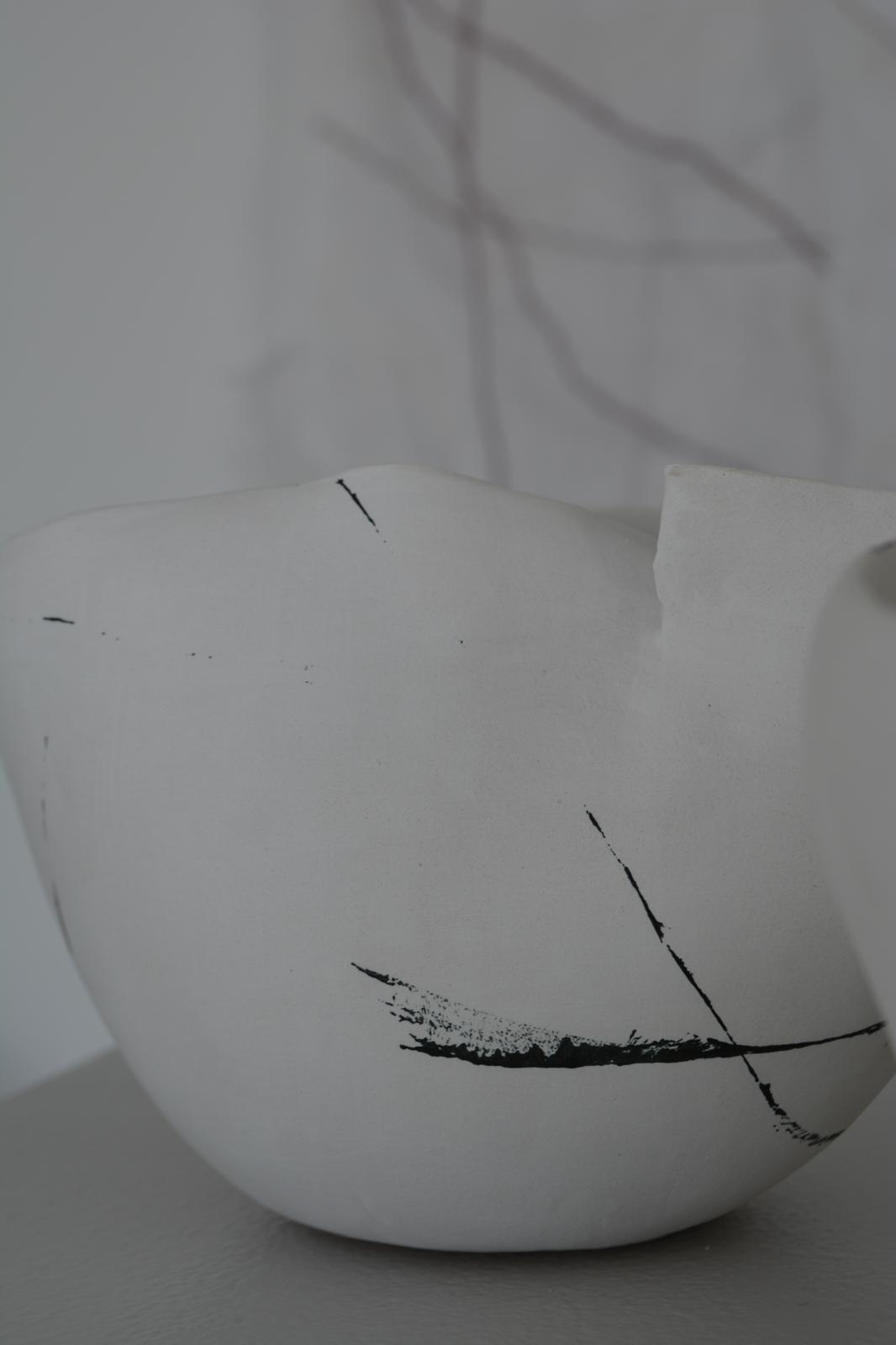
My interest lies in capturing the transience of shadows. Through photography my work explores light and shadow with a focus on the patterns that they create. Through the process of manipulation, I use inks and thin papers, and I emphasise the patterns created.
I respond to the photos with a range of different mediums exploring line, composition and contrast. I am inspired by other photographers and artists who look at light, shadow, line and contrast. I like to work through textiles to enhance my photographs and using ceramics to create delicate and fragile pieces.
3. Ali Cullinane
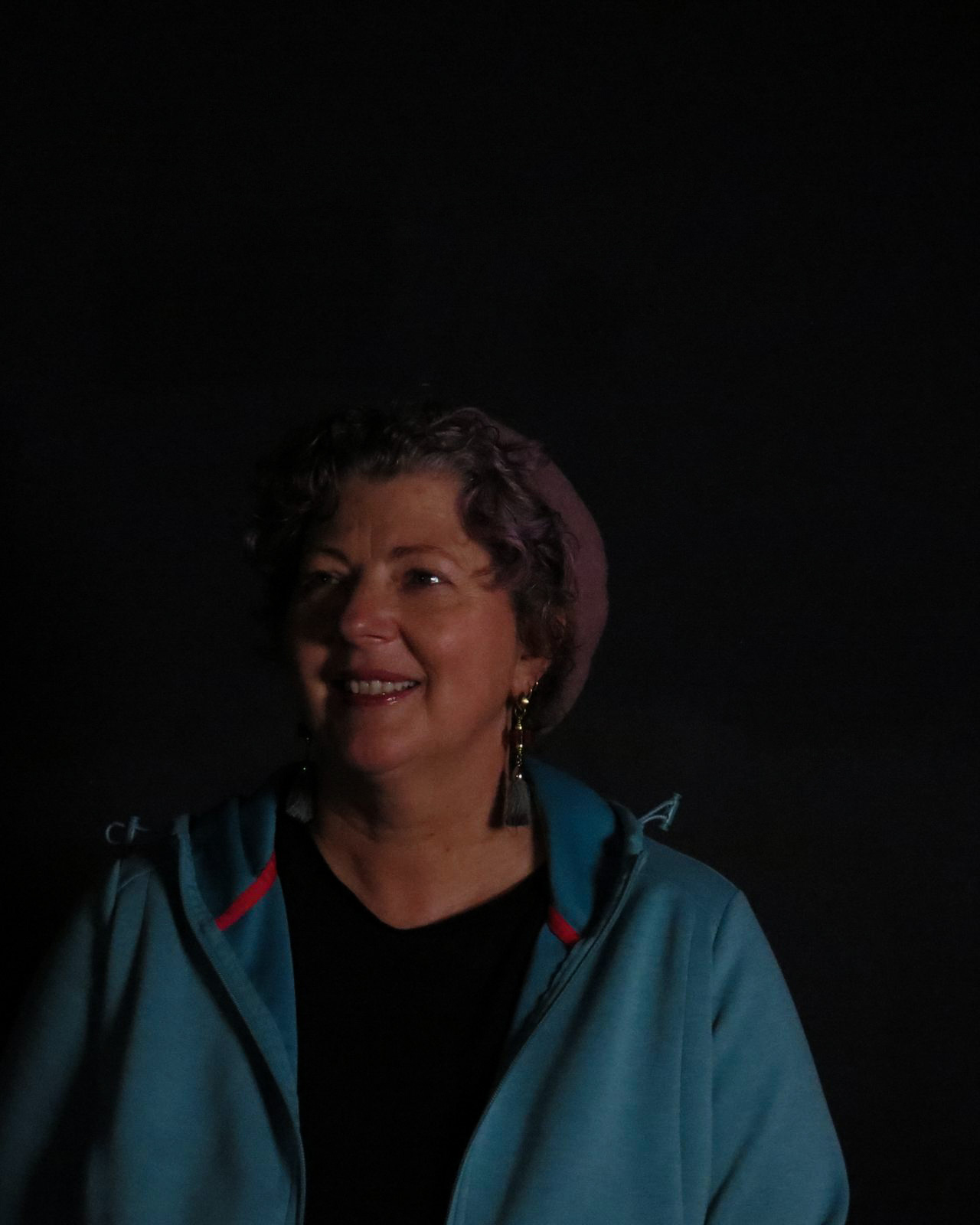
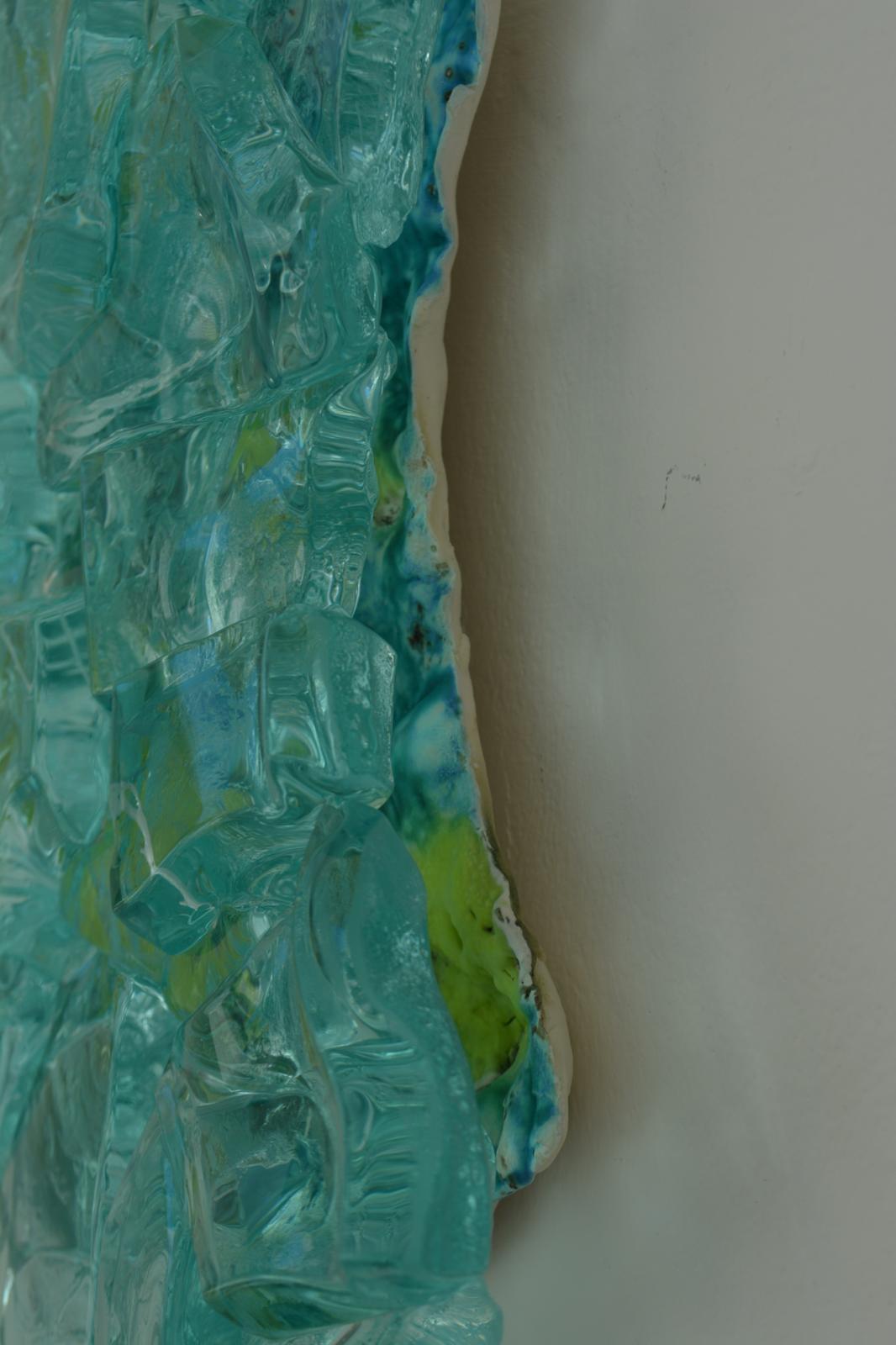
This body of work responds to the exploration of my ancestral history. I was born of English immigrants to Ireland, with Irish ancestry on my father’s side that was seldom spoken of.
In a country like Ireland where place and identity are an intrinsic part of community, the absence of extended family, or even family photographs and memorabilia, created a void in my sense of identity. I grieve a lack of ontological belonging, a tangible form of continuity and connectivity to one’s place and culture over time.
The act of taking photographs, gathering organic materials and taking clay impressions from the area of Carna, Connemara has been an integral part of my process, allowing me to physically connect with the land of my ancestors, developing a relationship that had previously been absent. It has been a grounding process.
Through amalgamating these materials with clay, glass, paper and stitch, I have now created a personal archive.
4. Mary Duggan
.jpg)
My practice is an exploration of the instability of the contemporary Western environment we currently live in. Through this work I look at the fragility of society as we are confronted with the rapid advancement in technology and communication. This acceleration has made it increasingly challenging for us to decipher and digest the overwhelming volume of data that is being delivered to us. The data, which lingers in the air, creates an unsettling undercurrent of unease, our level of trust has been eroded. There is no certainty of the origin and accuracy of the information we receive. Where is the invisible source of this data, and what can we believe?
The growing dependency on the supply of instant information is generating an environment where individuals are disconnected and discontented with their lives. This subject interests me, as I grew up in a time and place when technology was irrelevant to daily life. Informed by my background in the health and wellness industry, I observe a widespread feeling of self-doubt and apprehension settling into people's lives. My practice responds to this shift by returning to the physical and the tactile. Materiality is central to my work; By looking at the physical, tangible and sensory properties of clay, glass and textiles I examine how our bodies and minds receive, rationalize, and absorb data. By creating pieces which resist a clear narrative I encourage the viewer to pause, to notice and possibly regain a sense of connection or intimacy with themselves and the physical world around them.
5. Trisha Roxburgh
.jpg)
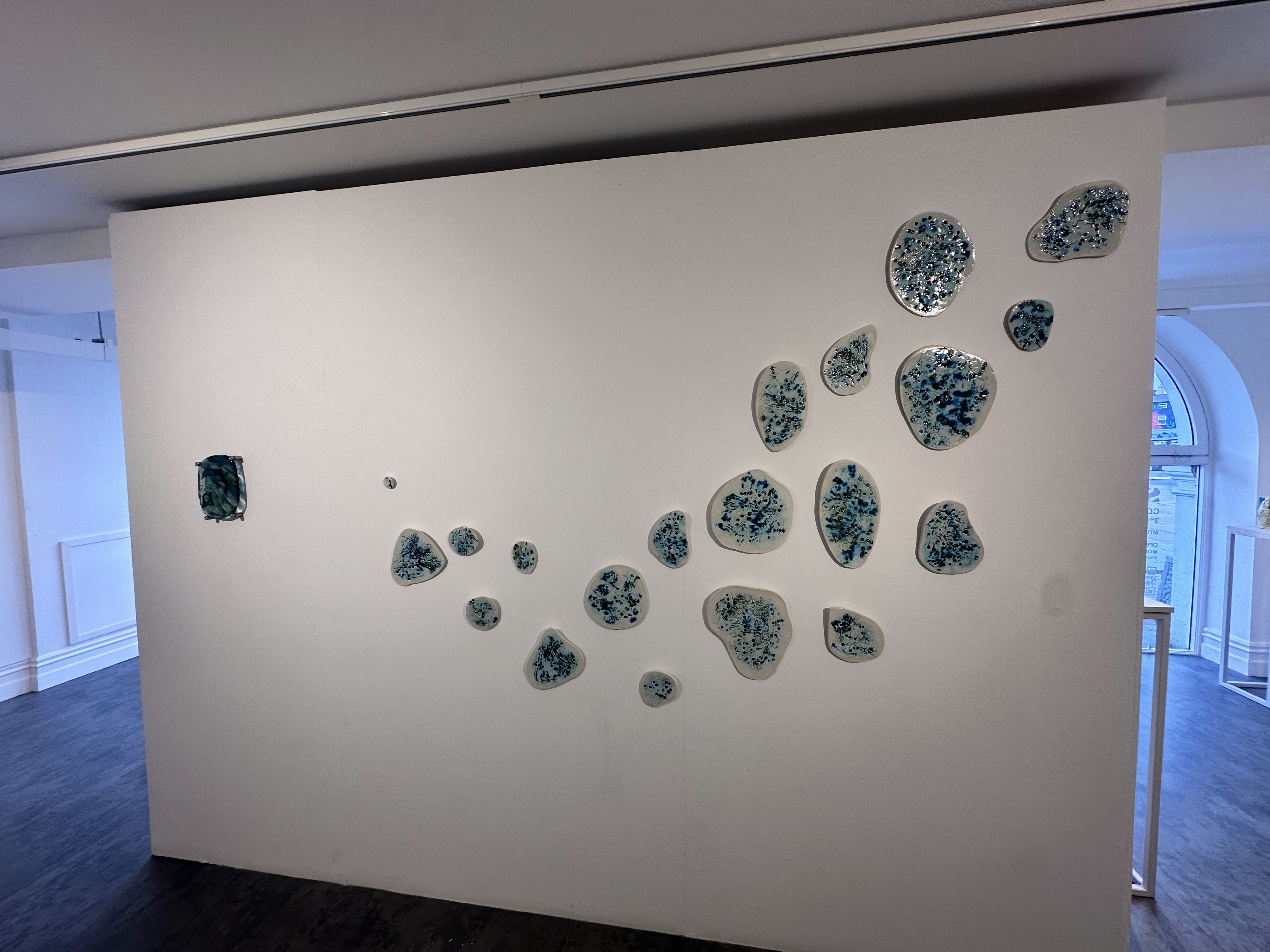
I am a multidisciplinary artist, I enjoy exploring varied materials and techniques, such as ceramics, glass, sculpture, print & photography. I really enjoy underwater photography as part of my process. Taking inspiration and exploring the depths of the sea, particularly looking at the vibrant interplay of light, reflections & moods of the sea. My work is a celebration of the intricate beauty found in our oceans & coastlines.
I strive to evoke a sense of wonder & connection to our aquatic environments. I am also interested in the mythological beliefs of Irish, Greek & Māori cultures and their connection to the sea, a place of enchantment, mystery, and danger, serving as a portal between our world and the Otherworld. I am interested in the many different Gods and deities in each culture and the stories each culture holds close, inviting viewers to explore the depths of their own imagination.
In my work for this exhibition, I am looking at organic forms, the marks we see in the seabed and coastline, and the graceful moving patterns of light below.
6. Daria Krawczyk
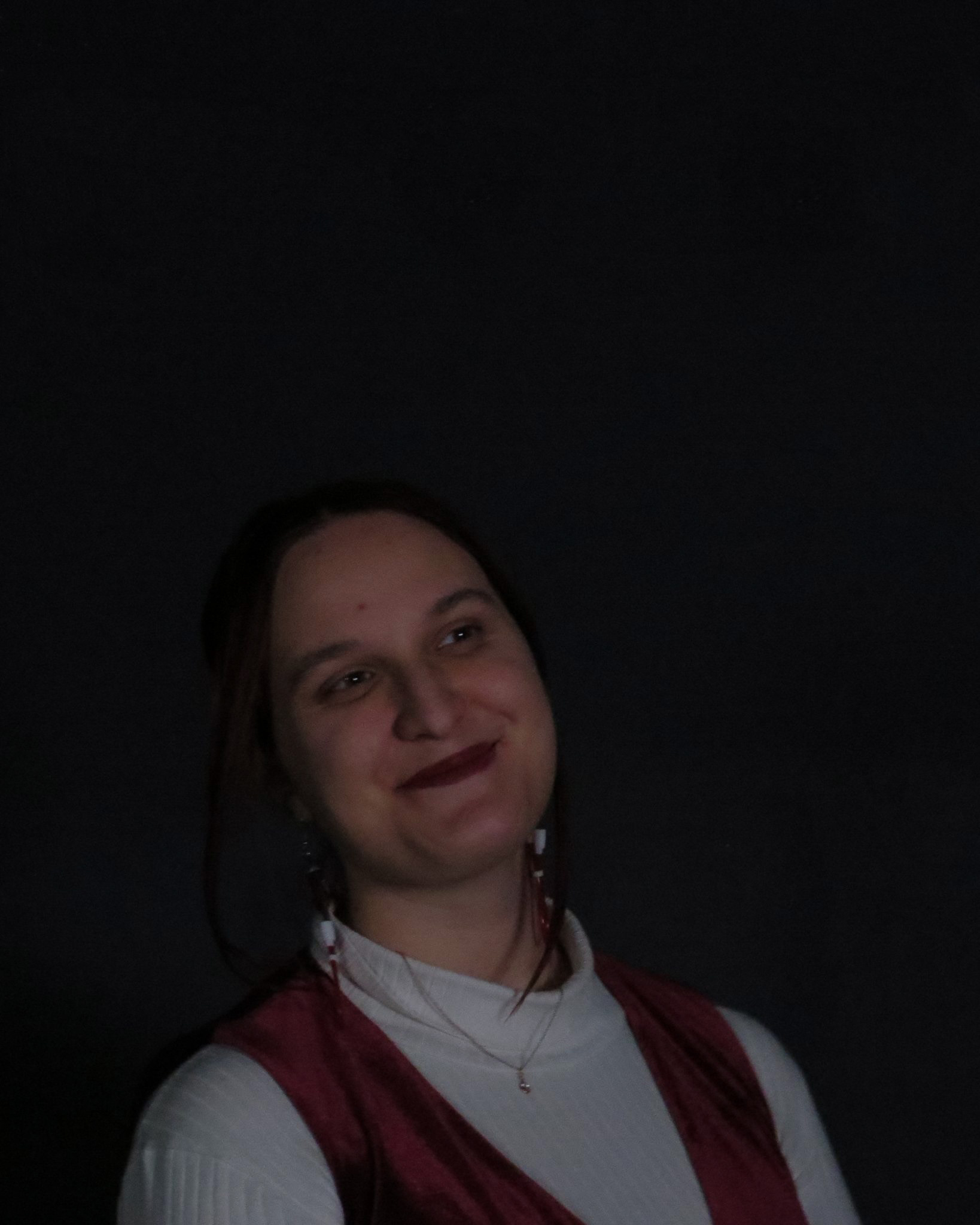
My artistic practice centers around how one hides behind a mask when emotions are simple too much to take. Through handmaking face coverings or costumes to hide behind a persona, I draw from my own personal experiences in life and what has stuck with me thought the years to express how much simple words can mean to someone and how one memory can get stuck with us for years after.
Each piece acts as both an armor piece and a way to self-express what I myself hide from those around me, concealing while simultaneously exposing emotional truths that have had an impact on my daily life and to shine the importance oh how powerful words can be.
7. Katie O’ Sullivan
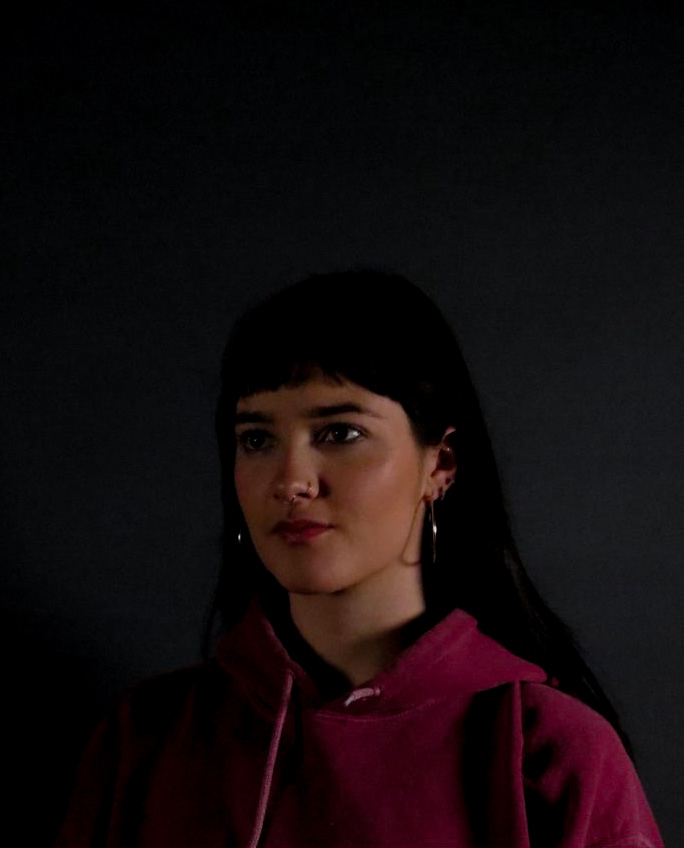
My work is inspired by everyday life and the quiet details that are often overlooked. I am drawn to mundane objects and ordinary moments and how they can say a lot about who we are as people. The things we live with and see every day become part of our identity, even if they seem boring or unimportant.
I begin by observing and documenting my surroundings through photography and drawing and then respond to these images using stitch and textiles. I like to use recycled fabric in my work because it connects to the theme of memory, with each piece of material carrying its own sense of history.
Rather than creating idealised images, I embrace imperfection and familiarity, allowing the work to reflect real life as it is. Authenticity and relatability are central to my work. I aim to create connections with the viewer, inviting them to recognise their own experiences and identities within the work.
8. Calli Joya
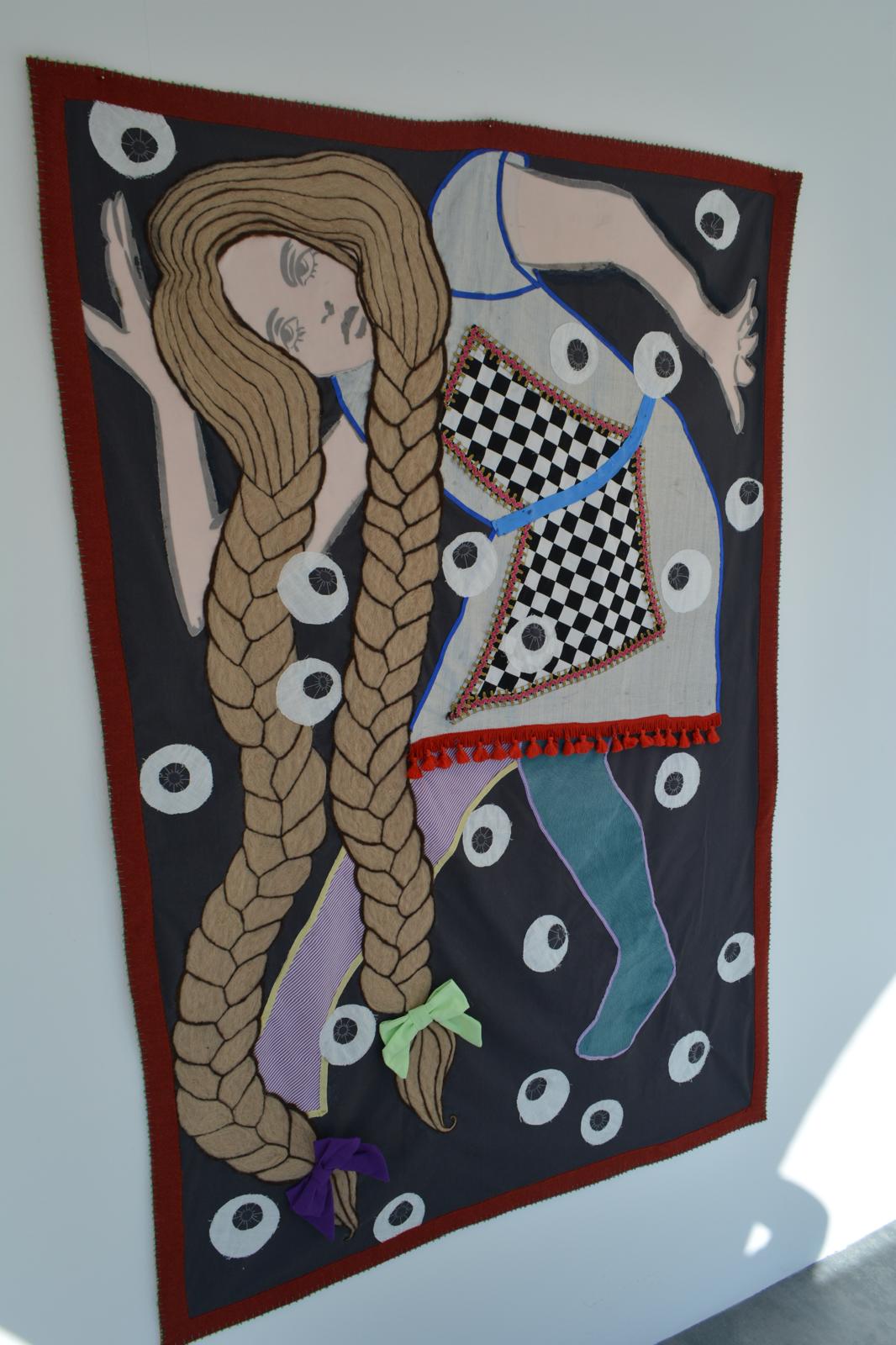
This body of work is about the discomfort People feel in daily life. My aim is for this work to help People understand and feel the sense of confusion neurodivergent people feel in everyday tasks and interactions. exploring this, through a variety of media including collage and textiles. Using My own experience as a Neurodivergent Person and the Work of Lewis Carrol in his work Alice in wonderland in which a young girl attempts to Navigate a strange world with bizarre rules.
I use imagery of the Antique esoteric to Convey a Sense of bewilderment, Resonance and Repulsion.
9. Amy Partington
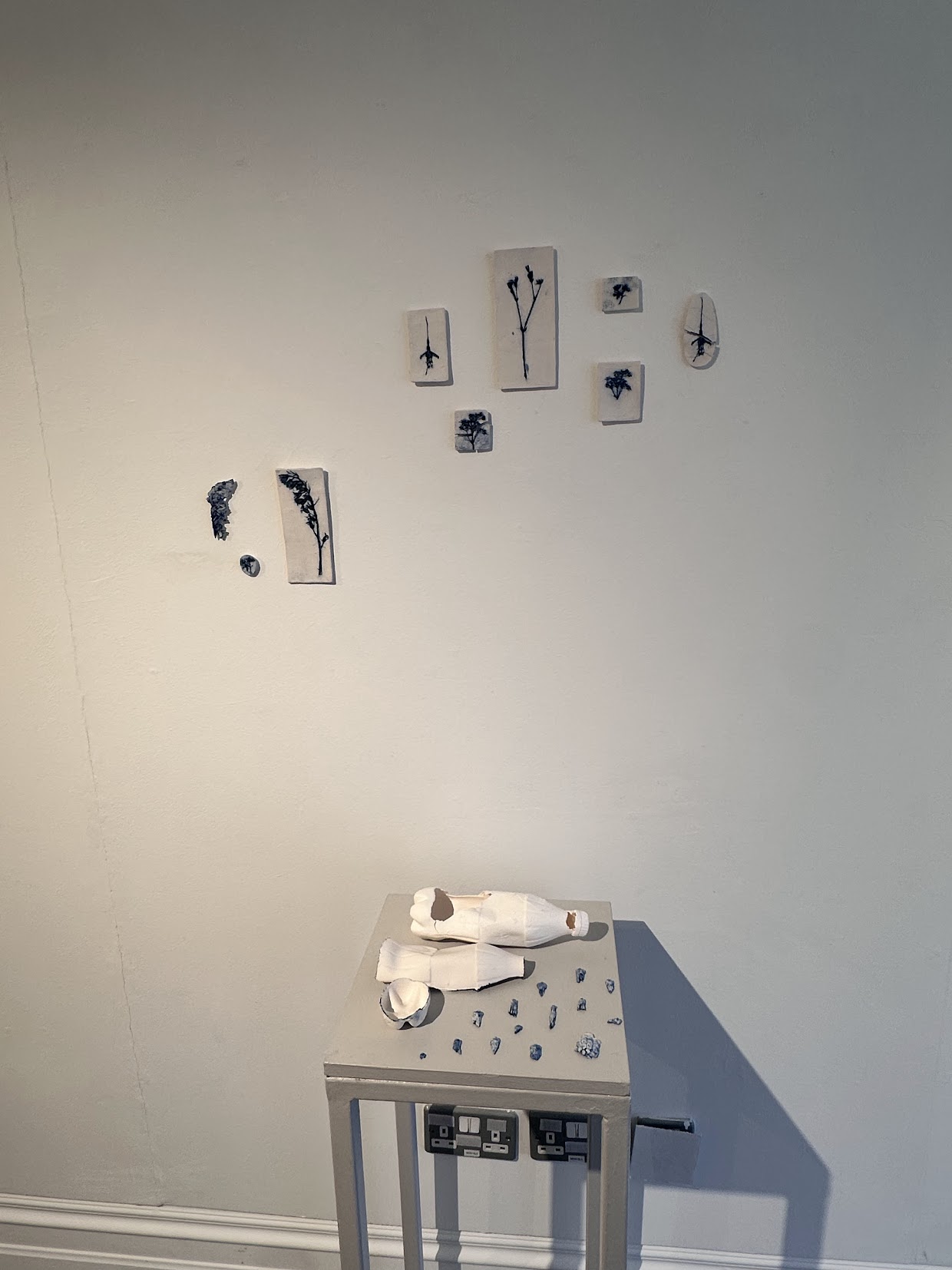
I work primarily with porcelain through a sculptural lens. By manipulating different methods to cast organic and sentimental subject matters, it preserves its form in ceramic forever. Slip casting is a prominent practice for me, it is chosen to capture all possible details from the object, and recreates it with a thin, delicate porcelain. Such practice emphasizes the fragility of nature through time.
Resistance against natural decay and freezing a key moment of nostalgia is a running theme that fluctuates through my art practice.
By creating casts from objects that are under a constant state of change; the result represents a singular moment in time that has been frozen still. I use this work to ask the audience to appreciate the present as it will slip through the sands of time before you know it.
10. Alex Downey
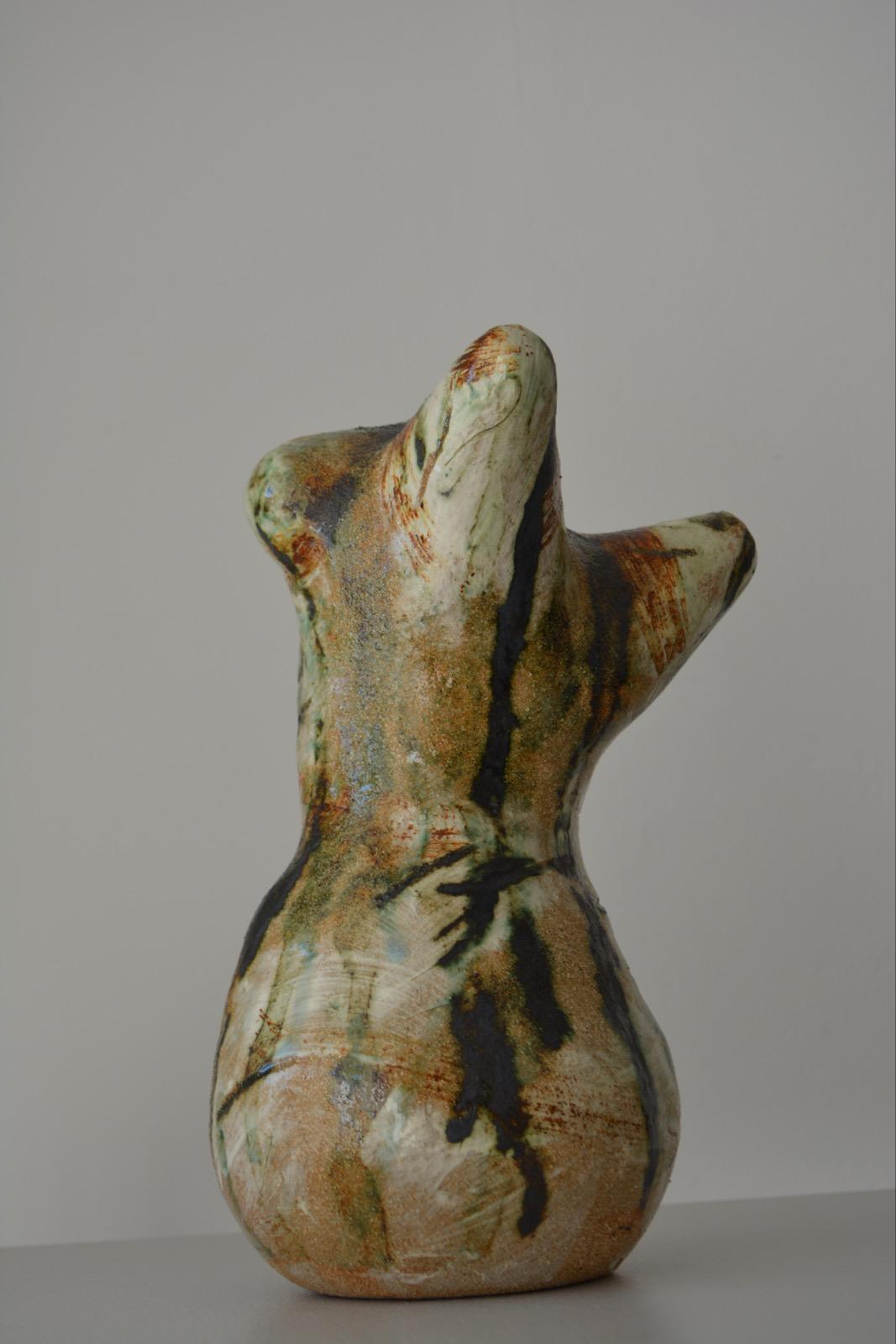
In my work, I am exploring themes of identity, decomposition and connection to landscape through the lens of a character going through a cycle of rebirth into a new form void of human influence.
Organic forms and shapes are created through different mediums such as glass, ceramic and printmaking. In the piece I have combined hand building with press moulds, decorated with coloured slip, oxides and clear glaze to symbolise an ancient vessel, inspired by anthropomorphic ceramics.
11. Orla O’ Leary
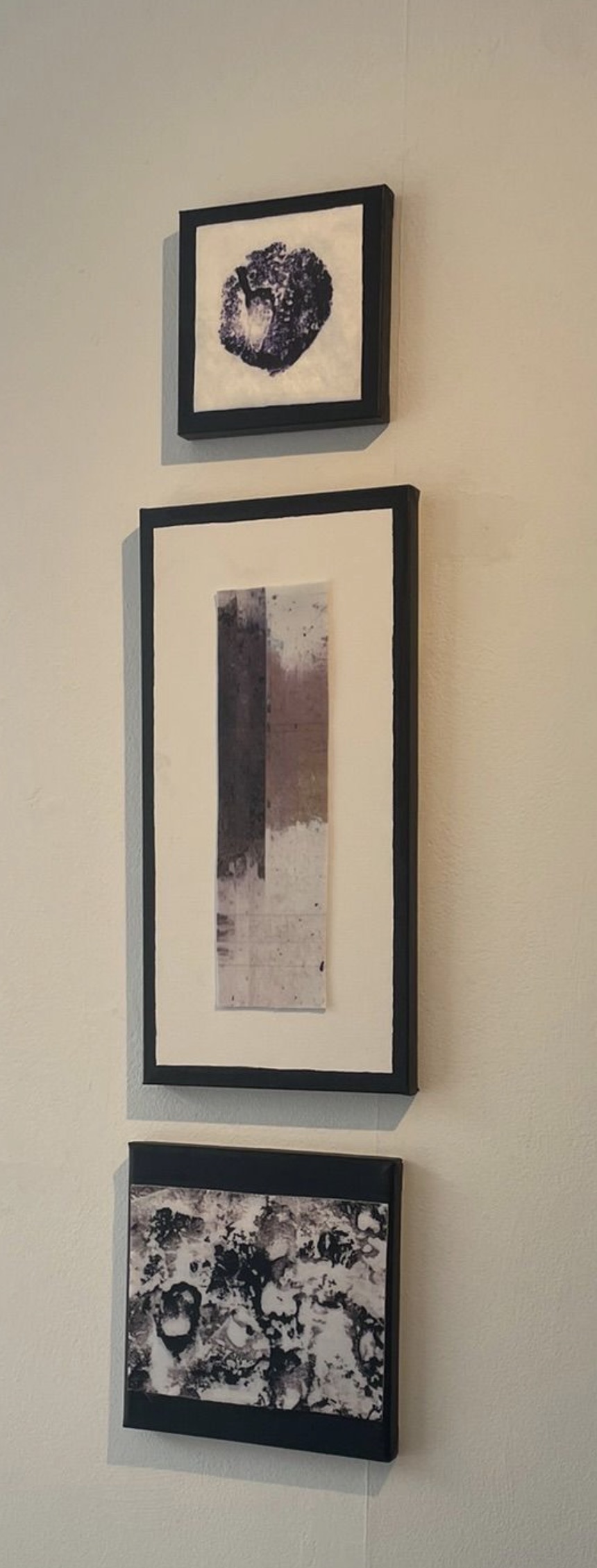
My work has always been inspired by my surroundings, the textures, the colours and the everyday wear and tear.
This body of work is focused on urban erosion in cork city. Inspired by the impact of housing crisis and the amount of derelict homes around us that we walk past every day.
My art takes a closer look at the once bright colours that have faded, the walls that have crumbled and the layers that have peeled back and cracked.
Highlighting what’s left behind, when things are left ignored.